

Big Tech's AI Failed on Trust. Here's How SMEs Can Win.
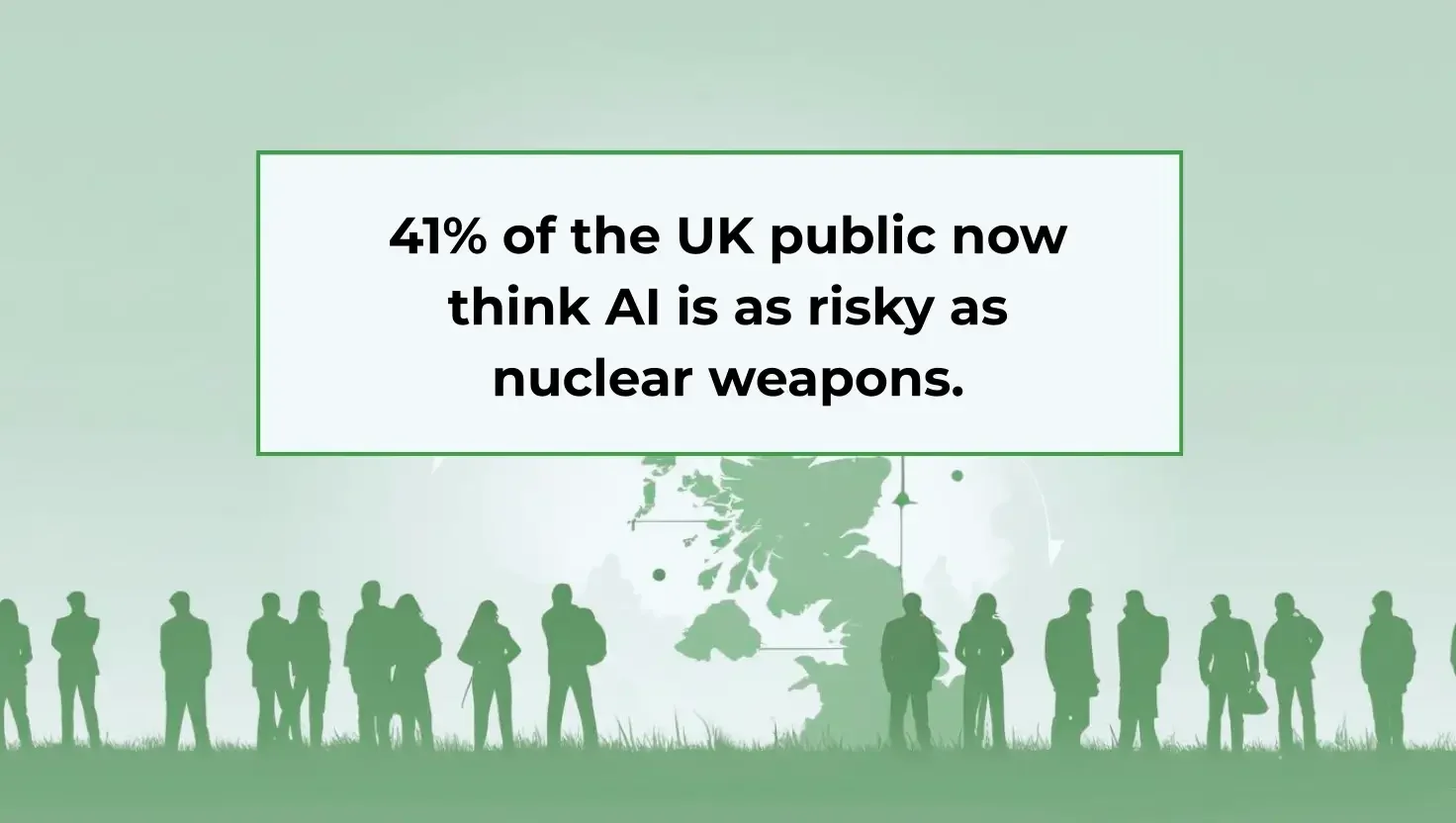
Most AI rollouts from big tech have been launched for growth first and trust second. That pattern has trained people to expect half-finished products, vague safety claims, and sudden changes in what the tools can see or do. For creative teams and their clients, this erodes confidence not just in specific platforms, but in AI as a category.
How we got here
For years, the dominant playbook has been to release early, iterate in public, and rely on scale to smooth over rough edges. That approach can work for consumer apps. It fails when the product can rewrite contracts, generate legal-sounding advice, or hallucinate facts in a way that feels authoritative.
Users have watched AI systems:
Make confident errors without clear signalling of uncertainty.
Change data access rules, integrations, or pricing with little notice.
Ship headline “guardrails” that are hard to verify in day-to-day use.
None of this builds the kind of long-term trust organisations need if they are going to embed AI into sensitive workflows.
What “trust” actually means for AI
Trust in AI is often discussed in abstract terms, but for creative teams it shows up in very concrete questions:
Can I safely put this client’s material into the tool?
Will today’s settings and safeguards still apply next month?
If something goes wrong, can I explain what happened and why?
Without good answers, teams default to one of two extremes: they either block AI entirely, or they let it spread informally in ways that are hard to see and manage.
Why creative organisations feel the impact first
Creative and marketing teams sit in an awkward middle ground. They handle sensitive data and brand risk, but they are also under pressure to move fast, experiment, and “stay ahead”. When big tech platforms behave unpredictably, these teams have to absorb the tension between speed and safety.
That can look like:
Shadow tools appearing in pitches or decks before they have been cleared.
Clients asking detailed questions about AI use that internal teams cannot yet answer.
Legal and IT departments stepping in late and shutting down workflows that have already become habits.
The result is a trust gap inside organisations, not just between brands and external vendors.
If you want a quick, low-friction way to see how exposed your team is today, try our free Trust Pulse AI readiness diagnostic for creative teams.
What a better trust model could look like
Rebuilding trust around AI is less about perfect technology and more about predictable behaviour.
A better model would include:
Clear, stable commitments about how data is used, stored, and isolated.
Transparent change logs that explain what has shifted and why, before it hits users’ live work.
Practical tools for teams to test and document how a system behaves in their own context.
For creative leaders, the pragmatic move is to build your own trust layer on top of whichever tools you use: your policies, your workflows, your human review. Big tech may not fix the trust gap on your timelines, so you design for safety and accountability yourself rather than waiting.
Our SIGNAL AI readiness diagnostic helps you turn these principles into a concrete, auditable framework for how your organisation actually uses AI.